Aldersbrook Estate waste clearance rules for residents: a practical guide
If you live on Aldersbrook Estate, waste clearance can feel simple right up until it suddenly isn't. One minute you're clearing a cupboard, the next you're wondering whether a mattress can go out with mixed rubbish, who should move bulky items from a flat, or whether a builder's skip is even the right choice. This guide explains Aldersbrook Estate waste clearance rules for residents in plain English, so you can stay organised, avoid awkward mistakes, and get rid of waste without creating problems for neighbours, management teams, or your own schedule.
You'll find clear steps, sensible best practice, and a few real-world points that often get overlooked. Truth be told, most waste issues on estates are not dramatic. They're usually small things: a bag left in the wrong place, a heavy item booked for the wrong day, or hazardous waste mixed in by mistake. Those small things matter.
Expert summary: the safest way to manage estate waste is to separate items early, check what is accepted before you move anything, avoid leaving waste in shared areas, and use a licensed waste removal service for anything bulky, awkward, or regulated. For residents who need a broader clearance, services such as house clearance or flat clearance can be a practical fit.
Table of Contents
- Why these rules matter on Aldersbrook Estate
- How waste clearance works for residents
- Key benefits and practical advantages
- Who this is for and when it makes sense
- Step-by-step guidance
- Expert tips for better results
- Common mistakes to avoid
- Tools, resources and recommendations
- Law, compliance, standards and best practice
- Options and comparison table
- Case study or real-world example
- Practical checklist
- Conclusion
- Frequently asked questions
Why Aldersbrook Estate waste clearance rules for residents Matters
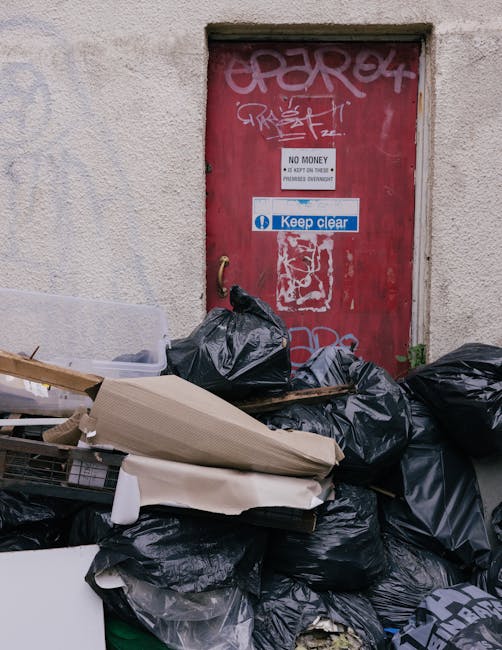
Estate living has its own rhythm. Shared access, communal walkways, nearby parking, and close neighbours mean waste is rarely just "your" issue. If rubbish is left in the wrong place, it can block access, attract pests, create odours, or simply look untidy for everyone passing by. And on a quiet evening, when the bins are already full and someone's left a pile of cardboard in the corridor, you notice it. Everyone does.
The rules matter because they help protect the estate environment and reduce friction between residents. They also help make sure waste is handled safely. Heavy furniture, broken appliances, garden debris, and construction offcuts can all cause injury if they're dragged or dumped carelessly. A simple plan saves a lot of hassle.
There's also a practical side. Good waste handling makes collection easier, keeps costs under control, and helps avoid repeat trips. If you've ever tried to fit a dismantled wardrobe into a hallway while the bin area is already busy, you'll know exactly why planning matters. Not glamorous, but real life rarely is.
How Aldersbrook Estate waste clearance rules for residents Works
At a resident level, estate waste clearance usually follows a few common principles. While exact arrangements can vary depending on the property, the management approach, or whether a collection is private or through a local service, the basic expectations are fairly consistent:
- Keep waste in the right storage area until collection time.
- Do not block communal entrances, paths, or fire routes.
- Separate general waste, recycling, bulky items, and special waste where possible.
- Arrange clear removal times for large items instead of leaving them outside indefinitely.
- Use safe handling practices for anything sharp, heavy, or awkward.
Residents often clear waste after a move, a tenancy change, a loft tidy-up, a garden cutback, or a small renovation. In those moments, the key question is not "Can I throw this away?" but "What is the safest and most acceptable way to remove this from the estate?" That shift in thinking makes a big difference.
If the waste is mixed or bulky, many residents choose a dedicated removal option rather than trying to piece it out themselves. A general waste removal service is often a sensible route for one-off clearances, while specialist help can be better for sofas, fridges, or builder's rubble.
Typical resident waste streams
- Household rubbish: food packaging, small broken items, general bin waste.
- Recycling: cardboard, clean plastic, cans, glass, and other accepted recyclables.
- Bulky waste: beds, wardrobes, sofas, tables, and large bags of unwanted items.
- DIY waste: timber, plasterboard, tiles, offcuts, old fixtures, packaging from materials.
- Special items: fridges, electricals, hazardous waste, confidential paperwork.
The cleaner and more specific your sorting, the easier the clearance. That's the short version. The long version is that sorting also protects the people doing the lifting, the residents walking past, and the collection crew trying to do a tidy job in a tight space.
Key Benefits and Practical Advantages
Following estate waste clearance rules is not just about avoiding trouble. It creates real, everyday advantages for residents.
- Safer shared areas: clear pathways reduce trips, slips, and lifting injuries.
- Less neighbour friction: nobody enjoys stepping around bags left by the stairs.
- Faster clearances: well-sorted waste can be taken away more efficiently.
- Better recycling outcomes: separated material is easier to divert from landfill.
- Lower risk of contamination: one wrongly placed item can spoil a whole load.
- Less stress during moves: small decisions made early save time later.
There is also a mental benefit, oddly enough. A cluttered flat or storage space can make everything feel heavier than it is. Once the waste is gone, the place looks brighter, smells cleaner, and feels manageable again. A bit cliche maybe, but true.
If you are clearing out furniture or bulky household items, it can help to look at dedicated options like furniture clearance or furniture disposal so the right type of waste is handled properly from the start.
Who This Is For and When It Makes Sense
This guidance is for any resident who needs to move waste safely and properly on or around Aldersbrook Estate. That includes owners, tenants, landlords, and people helping relatives clear a property. It also applies to anyone managing a one-off load after renovation, gardening, or a seasonal tidy-up.
It makes sense to follow a more structured clearance approach when:
- you have bulky furniture that will not fit into standard bins;
- you are clearing a flat, maisonette, or shared property with limited access;
- you need to remove old appliances or electrical items;
- you have builders' debris after repairs or decorating;
- you are dealing with mixed waste and want to keep recycling separate;
- you want to avoid leaving anything in communal areas overnight;
- you need disposal to happen quickly and neatly.
For gardens, the right approach may be a dedicated garden clearance service, especially if you have branches, soil, hedge cuttings, or old outdoor furniture. For lofts, garages, and household storage spaces, the more targeted services like loft clearance and garage clearance can keep the job efficient.
Step-by-Step Guidance
If you want to manage waste properly on the estate, here is a straightforward process that works well in practice.
- Identify the waste type. Start by separating general rubbish, recycling, bulky items, electricals, and anything hazardous. Don't guess if you can avoid it.
- Check the item condition. If something is reusable, donate or repurpose it where appropriate. If it is broken, think disposal. Simple, but helpful.
- Measure access. Check whether a sofa, fridge, mattress, or wardrobe will fit through doors, lifts, stairwells, and tight corners.
- Keep communal areas clear. Move items only when you are ready to take them away. Avoid storing waste in shared halls or outside entrances.
- Choose the right disposal route. Some waste can go in normal collections, some needs specialist handling, and some should never be mixed with household rubbish.
- Book a collection or removal service. If the job is bulky or awkward, a professional team can usually clear it in one visit. You can explore book online if you prefer a direct booking route.
- Prepare the items. Remove loose contents, flatten cardboard, bag small debris, and separate metals, wood, and reusable items if possible.
- Confirm the final sweep. Once the waste is gone, check the area for screws, shards, dust, and small fragments. Tiny bits are easy to miss, especially in low evening light.
When you are dealing with heavier items, use proper lifting technique and get help. It sounds obvious, but people still twist their backs trying to save five minutes. Not worth it.
What to do before a collection
- clear a parking space if the crew needs access;
- unlock gates or provide access instructions;
- label any items that should stay;
- separate hazardous waste from ordinary rubbish;
- take photos if you are managing a property for someone else;
- confirm whether the item needs dismantling.
Expert Tips for Better Results
The best waste clearances feel almost boring. That is the aim. Smooth, tidy, uneventful. Here are the small things that usually make the biggest difference.
- Sort before you move. If you sort on the spot, you create less mess and fewer mistakes.
- Keep one "do not move" zone. This helps if several people are helping with a clearance.
- Use sturdy bags and boxes. Overfilled bin bags split. Always. Usually at the worst moment.
- Take photographs of bulky items first. Handy for booking, planning, and avoiding confusion.
- Use a separate pile for special waste. Fridges, paint, batteries, and chemicals should not get mixed in.
- Think in load order. Put the heaviest and largest items where access is easiest.
For appliances, it is worth looking at a specialist route such as fridge and appliance removal. Old fridges, freezers, and washing machines can be heavy, awkward, and not something you want halfway down a stairwell at 7 a.m.
If you are clearing a sofa or mattress, dedicated disposal is often cleaner and simpler. See mattress and sofa disposal for items that need careful handling and bulky-item planning.
Common Mistakes to Avoid
Most resident waste problems come from a handful of avoidable errors. Here's the short list.
- Leaving bags in communal spaces. Even for a short while, this can block access and create complaints.
- Mixing hazardous waste with regular rubbish. Paint, solvents, chemicals, gas canisters, and similar items need careful treatment.
- Underestimating item size. A wardrobe that "looks fine" until it hits the stair bend. Happens all the time.
- Ignoring access constraints. Gate codes, parking, lift sizes, and loading times matter more than people think.
- Not checking what is accepted. Some items require specialist disposal or cannot be taken in general loads.
- Trying to do too much in one trip. Better to split the clearance than force a messy one.
Another common mistake is forgetting paperwork or private documents in a clearance. If you are clearing an office at home or handling old records, confidential shredding is worth considering. Paper left in the wrong bin can become somebody else's problem.
Tools, Resources and Recommendations
You do not need fancy equipment to clear waste well, but a few basic tools help a lot.
- Heavy-duty gloves: useful for broken items, garden waste, and sharp edges.
- Sturdy bin bags: better for lightweight mixed waste and small debris.
- Tape and markers: good for labelling keep, donate, recycle, and dispose piles.
- Dustpan and brush: essential for the final sweep in hallways and storage rooms.
- Furniture sliders or a trolley: useful for larger pieces, though only when the route is clear.
- Boxes for loose items: easier to handle than armfuls of random bits.
It can also help to check service information before you book. Pages such as pricing and quotes, recycling and sustainability, and insurance and safety can give you a better sense of how a responsible clearance provider approaches the job.
If you are not sure what can be loaded safely, the guidance on what can go in a skip is a useful reference point even if you are not actually hiring a skip. It helps you think in terms of waste categories and restrictions.
Law, Compliance, Standards and Best Practice
Residents do not need to become waste law experts, thankfully. But a basic understanding of UK waste practice helps keep everyone on the right side of common sense and compliance.
As a general principle, waste should be stored, moved, and handed over in a way that avoids nuisance, contamination, and risk. That means you should not obstruct fire routes, leave fly-tipped material near bins, or hand hazardous waste to a service that is not set up to deal with it. For anything regulated, check the disposal route carefully before moving the item.
Good practice in the UK also means using a responsible waste carrier for removal work. If you hire someone to take away rubbish, ask how they handle sorting, recycling, and disposal. That protects you as much as it protects the environment. A quick five-minute conversation can save a lot of headaches later.
For businesses or home offices with sensitive materials, disposal must be handled with care. If in doubt, keep confidential papers separate and use a trusted shredding route. For hazardous items, use a service that explicitly deals with dangerous or restricted materials rather than leaving it to guesswork. Guesswork and solvents do not mix nicely. Not at all.
Useful support pages include hazardous waste disposal, health and safety policy, and terms and conditions. They help set expectations around what is safe, accepted, and reasonable during a clearance.
Options, Methods, or Comparison Table
Different waste situations call for different methods. The best option depends on volume, access, item type, and how quickly you need the space cleared.
| Method | Best for | Pros | Watch-outs |
|---|---|---|---|
| Regular bin or recycling collection | Small household waste and accepted recycling | Simple, familiar, low effort | Limited capacity, timing restrictions, not suitable for bulky items |
| DIY trip to a disposal point | Smaller loads if you have transport | Flexible and immediate | Time-consuming, lifting involved, parking and handling can be awkward |
| Skip hire | Ongoing DIY or renovation waste | Good for larger amounts, can stay on site | Needs space, permit considerations may apply, not ideal for mixed restricted waste |
| Professional waste clearance | Bulky, mixed, or urgent clearances | Fast, tidy, less lifting for residents | Cost depends on volume, item type, and access |
For many residents, the sweet spot is professional clearance for bulky or awkward items, especially in flats or shared entrances where space is tight. If you are clearing a whole room, a staircase, or a storage area, the time saved alone can justify the decision.
Case Study or Real-World Example
Imagine a resident on Aldersbrook Estate who has just finished a long-overdue bedroom clear-out. The room contains an old bed base, a mattress, a broken chest of drawers, several bags of clothes, and a stack of cardboard boxes from flat-pack furniture. Nothing dramatic, just the kind of job that builds up quietly for months.
The first mistake would be to drag everything into the hallway and wait for "later." That creates clutter, blocks access, and usually means the job gets interrupted. A better approach is to sort the items inside the room first. Clothes go into donate or keep piles. Cardboard gets flattened. The bed and mattress are set aside for disposal. The chest of drawers is checked for nails, splinters, and loose handles.
Then the resident books a clearance visit and makes sure the route to the flat is clear. The result is simple: the space is cleared in one go, the hallway stays tidy, and there is no awkward pile outside the door at the end of the day. Slightly dull, yes. But beautifully dull.
If the same resident also had a broken freezer and some old paperwork, they would split the waste into appliance removal and confidential shredding rather than forcing everything into one load. That is usually the smarter, safer move.
Practical Checklist
Use this checklist before arranging clearance or moving waste out of the estate.
- Have I separated general waste, recycling, bulky items, and hazardous materials?
- Do I know which items need specialist handling?
- Have I checked access routes, stairs, lifts, and parking?
- Are any items too heavy or awkward to move safely alone?
- Have I avoided placing waste in communal corridors or entrances?
- Have I flattened cardboard and bagged loose debris securely?
- Do I need furniture, appliance, or garden-specific removal?
- Do I need to keep documents private and separate?
- Have I confirmed the booking time and any site instructions?
- Have I planned a final sweep for screws, dust, and small fragments?
That final sweep matters more than people expect. Tiny screws on a step can ruin someone's evening very quickly.
Get a free quote today and see how much you can save.
Conclusion
Getting waste clearance right on Aldersbrook Estate is mostly about respect: respect for shared spaces, respect for safety, and respect for the people who live around you. Once you understand the rules and the practical realities, the whole process becomes much easier. Sort early, move carefully, keep communal areas clear, and choose the right disposal route for the item in front of you.
Whether you are clearing a single sofa, a messy loft, a garden pile, or a full household load, the goal is the same: a cleaner space and a calmer day. Honestly, that calm matters.
And if you are dealing with a bigger job, remember that you do not need to force it all into one messy attempt. A sensible plan, a bit of preparation, and the right help can turn a stressful chore into something properly manageable. Nice, steady, done.
Frequently Asked Questions
What are Aldersbrook Estate waste clearance rules for residents?
They are the practical expectations around how residents should sort, store, and remove waste so shared areas stay safe, clean, and accessible. In plain terms: don't block entrances, don't mix restricted waste with general rubbish, and don't leave bulky items lying around.
Can I leave bulky waste outside my flat for collection later?
Usually, no. Bulky items left in communal spaces can block access and create complaints. It is better to move them only when you are ready for them to be taken away.
What should I do with old furniture on the estate?
Check whether it can be reused, then arrange a proper furniture clearance or disposal route. Sofas, wardrobes, and tables are often too large for standard collections and need a planned pickup.
Are fridges and other appliances treated differently?
Yes, often they are. Appliances can contain materials or components that need specialist handling, so using a dedicated fridge and appliance removal service is usually the safest option.
What counts as hazardous waste?
Common examples include paint, chemicals, solvents, batteries, and some electrical or pressurised items. If you are unsure, treat it cautiously and do not put it in normal household waste.
Is garden waste allowed in regular bins?
Small amounts may be accepted in general collections depending on the material and local arrangements, but larger volumes are usually better handled through garden clearance. Branches, soil, and hedge cuttings can become bulky very quickly.
What is the safest way to clear a loft or garage?
Work in stages. Sort items first, move only what you can lift safely, and use a dedicated loft clearance or garage clearance service if the volume is high or access is awkward.
Do I need to separate recycling from general waste?
Yes, wherever possible. Separation makes recycling easier and helps prevent contamination. Once recyclable material is mixed with food waste or general rubbish, it is much less likely to be recovered.
How do I dispose of confidential papers safely?
Keep them separate from other rubbish and use confidential shredding. It is a simple step, but it protects privacy and stops sensitive information ending up where it should not.
What if I am renovating and have builders' waste?
Use a route designed for heavier construction debris, such as builders' waste clearance. Bricks, plasterboard, timber, and offcuts are different from ordinary household rubbish and should be treated that way.
Can I book a one-off clearance for just a few items?
Yes. A lot of residents only need a small collection, not a full property clearance. A few bulky items can still justify professional removal, especially if the access is tight or the items are heavy.
How can I make sure I am choosing a responsible clearance service?
Look for clear service information, safe handling practices, and transparency around recycling, pricing, and safety. Pages like pricing and quotes, recycling and sustainability, and insurance and safety can help you judge whether the service feels organised and trustworthy.
What is the biggest mistake residents make with estate waste?
Probably trying to "just leave it for now." That usually creates clutter, blocks access, and makes the job harder later. Waste is always easier to handle when it is tackled early and in the right order.
Sometimes the smallest bit of planning saves the whole afternoon. That's just how it goes.